
How Long Does Pool Resurfacing Last? A Guide for Florida Homeowners
How Long Does Pool Resurfacing Last? A Complete Guide for Florida Homeowners
Pool resurfacing is an essential maintenance task that many Florida homeowners face to ensure their pools remain in optimal condition. In this guide, we will delve into the lifespan of pool resurfacing, how various factors affect its durability, and how to recognize when your pool needs this service. If you’re considering resurfacing your pool or simply want to understand more about the process, this comprehensive guide will provide valuable insights. By the end, you’ll be equipped with knowledge on maintenance tips to prolong the lifespan of your pool’s surface. Moreover, we will discuss how Florida’s unique climate influences the longevity of different materials used for resurfacing.
Comprehensive Guide for Florida Homeowners on Pool Resurfacing
Understanding the intricacies of pool resurfacing helps homeowners maintain their pools effectively. Resurfacing involves applying new material to the existing surface, revitalizing the pool and extending its usability. This guide will cover essential topics pertinent to Florida homeowners, ensuring clarity around what to expect from pool resurfacing and how to maintain your investment for years to come.
What is Pool Resurfacing?
Pool resurfacing entails the process of applying a new surface layer to an existing pool structure to restore its aesthetic appeal and functionality. Various materials, such as plaster, fiberglass, and pebble finishes, can be used to resurface pools. Each material offers unique benefits in terms of durability and maintenance requirements. Homeowners choose resurfacing to address issues like wear and tear, fading, and cracks, thereby enhancing both the appearance and lifespan of their swimming pools.
Lifespan of Pool Resurfacing
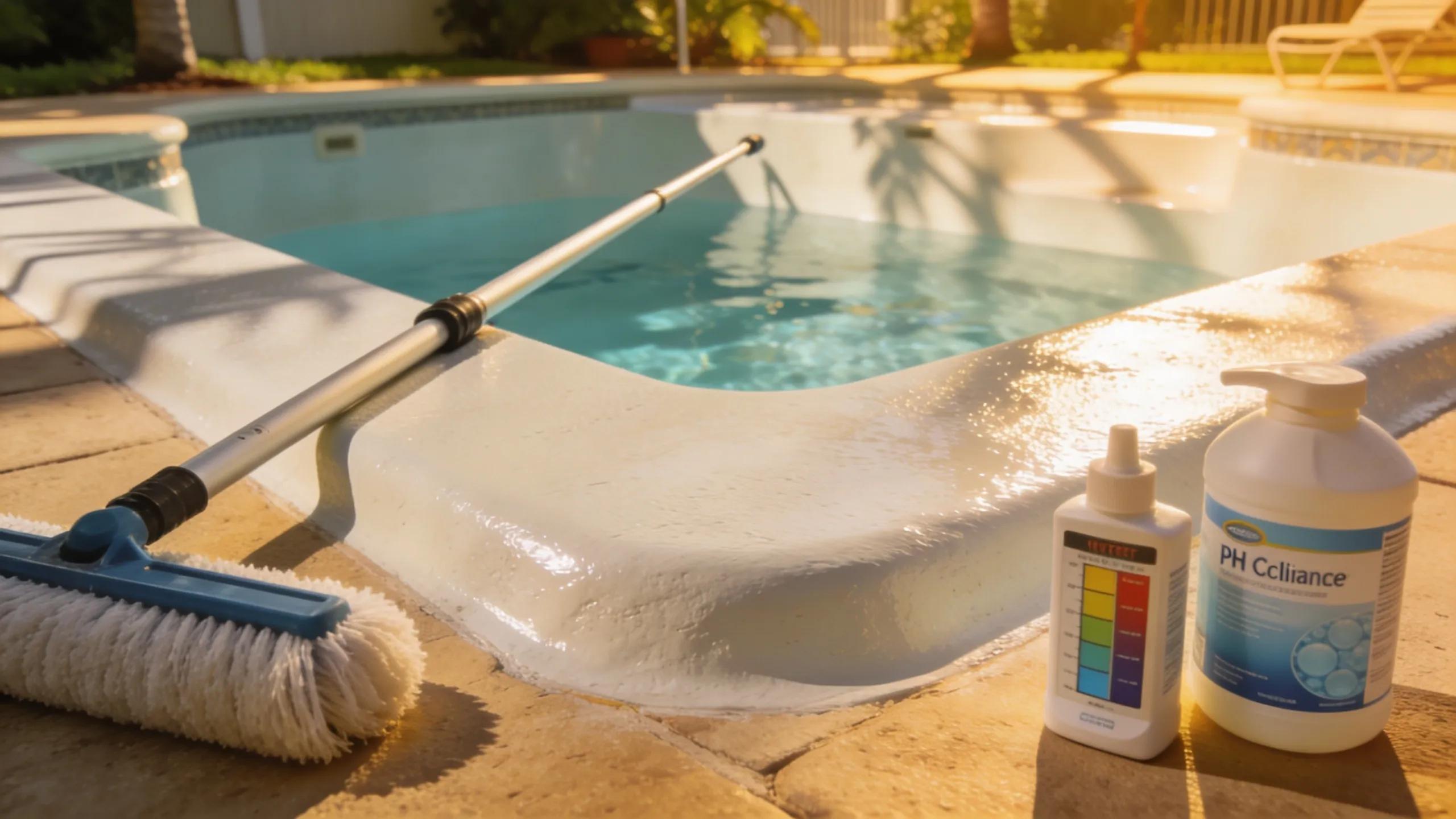
The expected lifespan of pool resurfacing varies depending on the material used. Typically, fiberglass pool coatings can last between 10 to 20 years under optimal conditions. Florida’s unique climate can impact the durability of resurfacing materials due to factors such as heat, humidity, and exposure to harsh UV rays. This lifespan can fluctuate based on how well homeowners maintain their pools and manage the chemical balance of the water.
Factors Affecting Lifespan
Several environmental and usage factors significantly impact the longevity of pool resurfacing. These include:
- Environmental Conditions: Florida’s intense sun, heat, humidity, and frequent rain can wear down pool surfaces faster.
- Pool Usage Impact: High usage increases wear and tear, affecting the surface’s durability.
- Chemical Balance Importance: Proper maintenance of water chemistry can prolong the life of the pool surface.
Maintaining awareness of these factors allows homeowners to make informed decisions about their pool care and resurfacing schedules.
Signs Your Pool Needs Resurfacing
Over time, pools will exhibit signs indicating they require resurfacing. Homeowners should be mindful of the following:
- Rough Texture: If the surface feels scratchy or uncomfortable.
- Stains: Persistent stains that do not come out easily may indicate that the surface is compromised.
- Algae Growth: Recurring algae problems despite regular cleaning suggest a failing surface.
- Fading or Discoloration: A dull appearance or loss of color can signal the need for resurfacing.
- Cracks or Chips: Visible damage to the surface can lead to more significant problems if not addressed.
Recognizing these symptoms early can save homeowners from more extensive repairs later.
Maintenance Tips to Extend Durability
To maximize the lifespan of your pool’s resurfacing, implementing a regular maintenance routine is essential. Consider the following tips:
- Regular Cleaning: Keep the pool clean to prevent the buildup of algae and stains.
- Chemical Balance: Regularly check and maintain proper water chemistry to protect the surface.
- Avoid Harsh Chemicals: Fiberglass surfaces are less demanding when it comes to maintenance; therefore, it’s wise to minimize the use of harsh cleaning chemicals.
By adhering to these maintenance tips, homeowners can ensure their pool surfaces remain in prime condition for years.
How Does Florida’s Climate Affect Fiberglass Pool Durability?
Florida’s warm and humid climate poses unique challenges to pool surfaces, especially fiberglass ones. Constant exposure to sunlight can cause fading, while humidity can promote algae growth, necessitating more frequent maintenance. Understanding this can help homeowners take proactive measures to protect their investment.
What Are Average Lifespan Benchmarks and Recent Material Innovations?
The average lifespan of fiberglass pool resurfacing ranges between 10 to 20 years. However, recent advancements in material technology have introduced more durable options that may extend this lifespan even further. Utilizing innovative materials designed to withstand Florida’s specific conditions can offer superior longevity.
What Are the Cost Components of Pool Resurfacing in Florida?
When considering pool resurfacing, various cost components must be evaluated. These include:
- Material Costs: Different resurfacing materials come with varied price points; fiberglass may differ from plaster or epoxy.
- Labor: Hiring qualified contractors for installation can impact the final price.
- Pre-Existing Damage: Addressing any underlying issues before resurfacing can affect overall costs.
Understanding these components allows homeowners to budget accordingly for their pool projects.
Which Factors Influence Fiberglass Pool Resurfacing Prices?
Several factors influence the cost of fiberglass pool resurfacing, including the size of the pool, the materials chosen, and the condition of the existing surface. Homeowners should collect multiple quotes to compare pricing strategies from local contractors before making a decision.
How Does Resurfacing Cost Impact Homeowner Decisions?
The cost of resurfacing can be a significant factor in a homeowner’s decision-making process. Budget constraints may lead homeowners to opt for lower-cost materials that may not provide the longevity and durability they seek. Prioritizing quality materials, even if upfront costs are higher, can be a wise investment in the long run.
Which Materials Are Best for Pool Resurfacing in Florida?
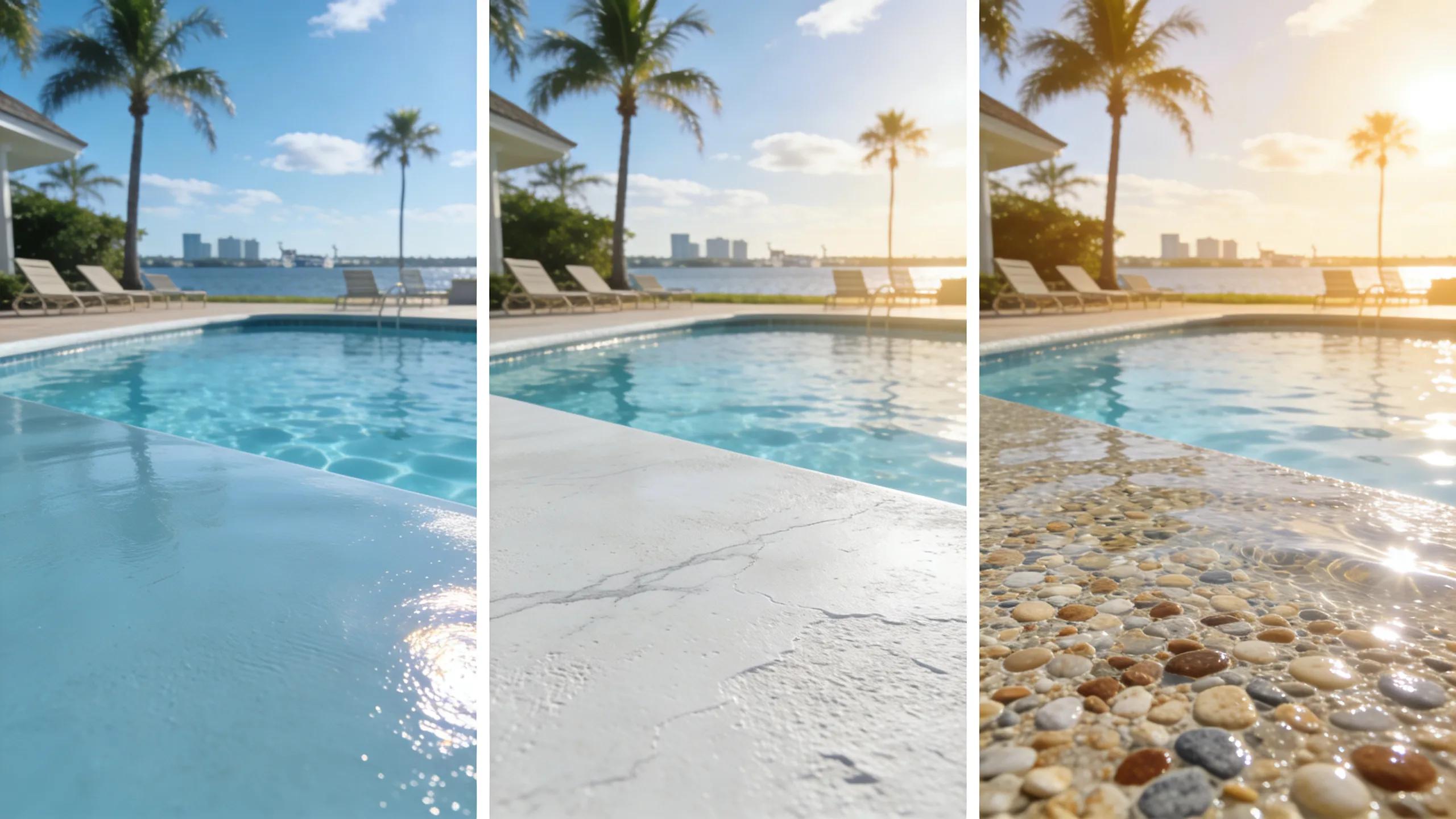
Florida homeowners have several options when it comes to resurfacing materials. The best choices often include:
- Fiberglass: Offers durability and resistance to algae growth.
- Plaster: A traditional option that is cost-effective but may require more frequent resurfacing.
- Pebble Finish: Provides a long-lasting, natural look but may have a higher initial cost.
Choosing the right material depends on the specific needs and conditions of each pool.
How Can Florida Homeowners Extend Pool Resurfacing Lifespan with Proper Maintenance?
Proper maintenance plays a critical role in extending the lifespan of resurfacing. Here are some ways homeowners can achieve this:
- Monitor Water Chemistry: Regular checks can prevent damage to the pool surface.
- Use Appropriate Cleaning Tools: Soft brushes are favored over harsh tools that may scratch surfaces.
- Follow a Routine Maintenance Schedule: Consistency in care leads to better longevity.
What Essential Maintenance Activities Preserve Surface Integrity?
Homeowners should focus on several essential activities to preserve their pool’s surface:
- Skimming and Vacuuming: Regular skimming of debris and vacuuming.
- Balancing Chemicals: Keeping chlorine levels stable and within the necessary range.
- Inspections: Periodic assessments for cracks or damage that may necessitate repairs.
By integrating these measures, homeowners can maintain pool quality and aesthetics.
How Often Should Maintenance Be Performed for Maximum Durability?
To achieve maximum durability, maintenance should ideally be performed at least once a week. Regular checklist inspections can help identify issues early, preventing costly repairs.
In conclusion, understanding the lifespan of pool resurfacing is crucial for Florida homeowners. The choice of resurfacing materials, maintenance practices, and environmental factors significantly influence the longevity of pool surfaces. Homeowners are encouraged to consider integrating professional services to ensure quality resurfacing and maintenance. For those seeking expert assistance, acquiring quotes for resurfacing services can help secure the best value for their investment.