
Fiberglass Pool Refinishing Advantages for Homeowners in Florida
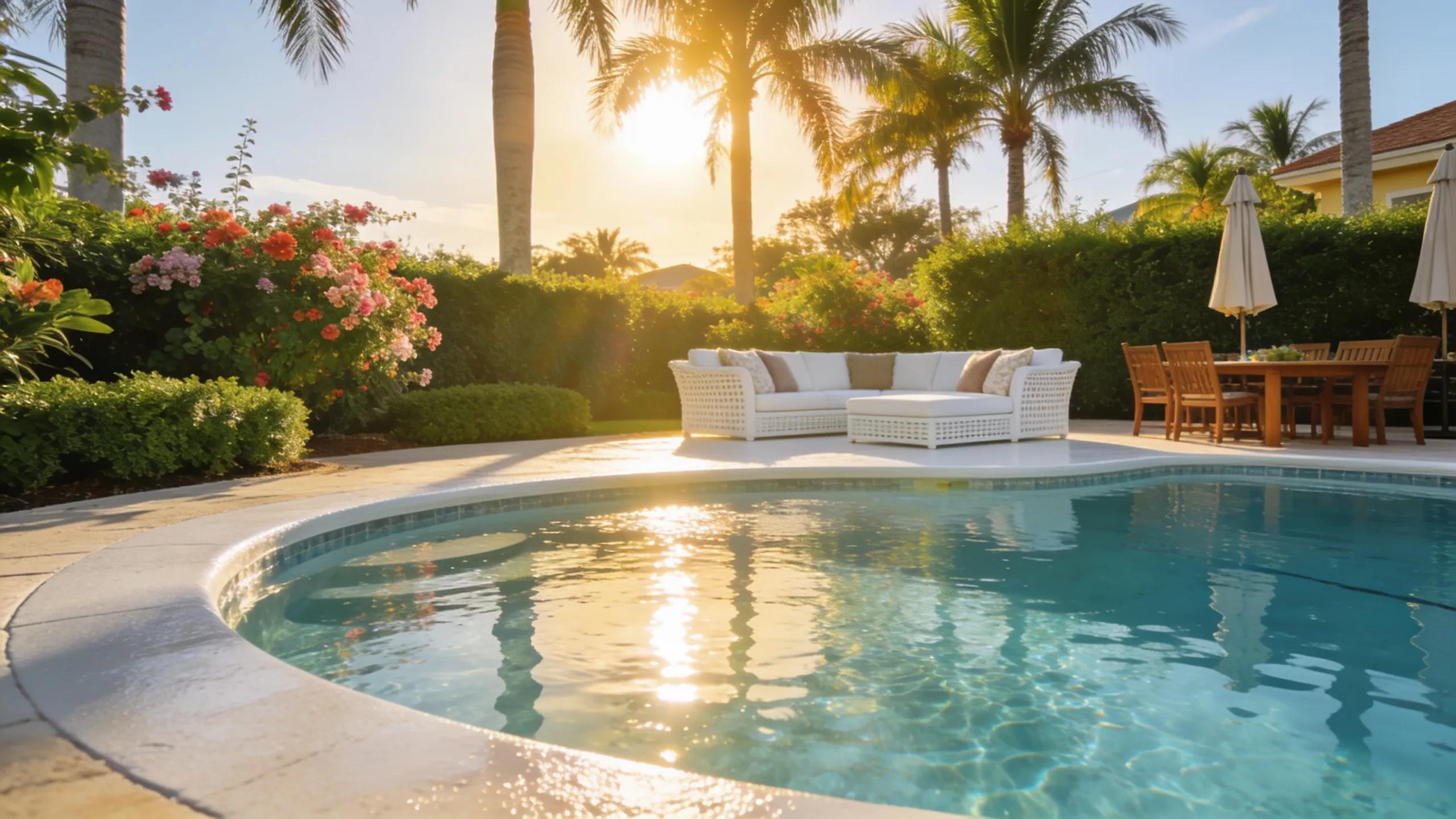
Fiberglass Pool Refinishing Advantages for Homeowners in Florida: Cost, Benefits, and Process Explained
By Aquatic Surfaces Team, Aquatic Surfaces FL
Fiberglass pool refinishing brings clear benefits for Florida homeowners. It boosts durability, lowers upkeep costs, and improves the pool’s look. Knowing these advantages helps you decide if resurfacing is the right move. This article covers the main benefits, typical costs, and the refinishing steps so you can make an informed choice.
Key Takeaways
- Fiberglass pool refinishing enhances pool appearance with a glossy finish that increases property value.
- The non-porous fiberglass surface reduces algae growth, lowering maintenance time and chemical use.
- Fiberglass refinishing strengthens pool durability, extending lifespan up to 20 years or more.
- Costs vary by pool size, condition, and materials, typically ranging from $3,000 to $5,800.
- The refinishing process includes surface preparation, gel coat application, curing, and final finishing touches.
- Fiberglass pools resist Florida’s heat, humidity, and harsh weather better than plaster alternatives.
- Compared to plaster, fiberglass requires less frequent repairs and maintenance, offering long-term cost savings.
- Regular brushing, chemical balance, and pool covering help maintain fiberglass pool quality and longevity.
- Professional refinishing services in Florida usually complete the process within one to two weeks.
Key Benefits
Fiberglass pool refinishing delivers several clear advantages for homeowners:
- Improved Appearance: A refinished fiberglass pool can rejuvenate the entire backyard landscape, enhancing the pool’s look with a glossy finish that mimics new installations. The aesthetic upgrade makes a pool more inviting and can increase property value.
- Lower Maintenance Requirements: Fiberglass surfaces are non-porous, which means they are less prone to algae growth, significantly reducing the time and effort needed for cleaning. Homeowners can enjoy more swim time and less upkeep.
- Increased Durability and Longevity: Fiberglass pools are designed to last. The resurfacing process strengthens the pool surface, making it more resistant to wear and tear from the elements, ensuring many years of enjoyment.
If you’re considering this upgrade, rely on experienced providers like Aquatic Surfaces that specialize in fiberglass refinishing.
Cost Information
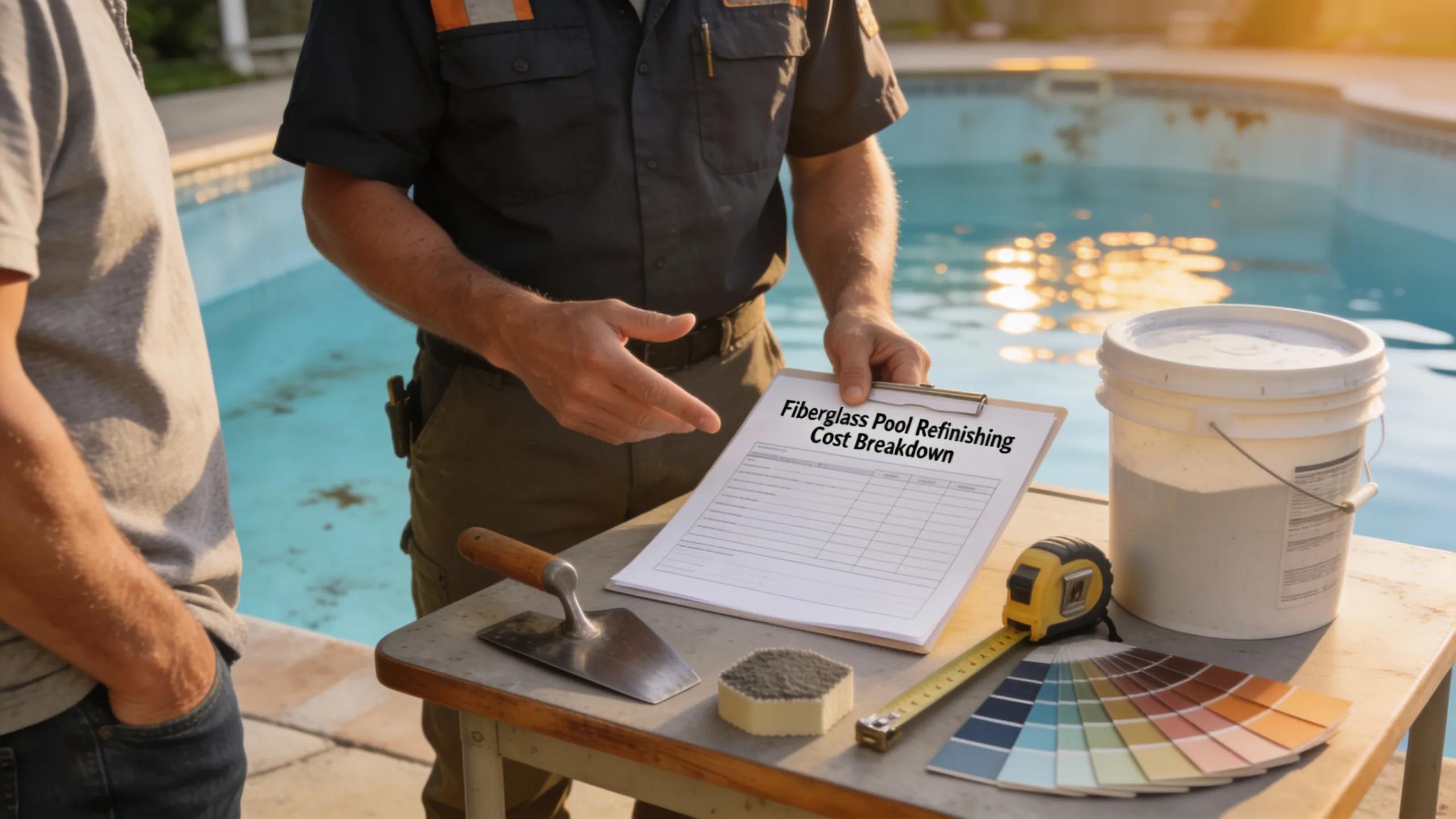
Knowing refinishing costs helps you budget. Price depends on pool size, condition, and the materials chosen. Below is a typical breakdown of costs tied to fiberglass pool refinishing:
Get estimates from multiple contractors to compare cost and quality. Investing now can prevent larger repairs later and helps you maximise pool enjoyment over time.
Overall Refinishing Process
Refinishing follows key steps to renew a fiberglass pool and provide a durable, updated surface.
- Preparation Steps: This initial phase includes draining the pool and thoroughly cleaning the surface to remove any debris or contaminants that could disrupt the application process. Proper preparation is vital for adhesion.
- Application of Materials: Once cleaned, the application of the fiberglass gel coat begins. Skilled technicians will carefully apply multiple layers, ensuring even coverage and thickness to enhance durability.
- Final Finishing Touches: After curing, a final inspection occurs, and additional detailing or color finishes may be added to bring the pool’s appearance to its best. The finishing process ensures that the surface is not only aesthetically pleasing but also functional and safe.
What Is the Fiberglass Pool Refinishing Process in Florida?
In Florida, refinishing follows local standards to meet quality and regulatory requirements. Expect these main stages:
- Preparation of the Pool Surface: Draining the pool and thoroughly cleaning the surface to eliminate debris is the first step for smooth refinishing.
- Application Techniques: Using professional tools, contractors will apply layers of fiberglass materials to create a strong bond that adheres effectively.
- Curing Process: After installation, the newly applied gel coat must cure, which may take several days. Proper curing maximizes the surface’s durability against Florida’s climate.
Knowing these steps helps homeowners see the care and professional attention required for the best results.
Why Is Fiberglass Ideal for Tampa Bay’s Climate?
Fiberglass suits Tampa Bay because it handles heat, humidity, and strong sun exposure while keeping maintenance needs low.
- Heat and Humidity Resistance: The non-porous nature of fiberglass surfaces resists moisture absorption, making them ideal for humid conditions.
- Durability Against Environmental Factors: Fiberglass can withstand prolonged exposure to sunlight and harsh weather, maintaining its integrity and aesthetic quality.
- Low Maintenance Needs: Given its resistance to chemicals and algae buildup, fiberglass pools require less frequent maintenance, aligning with homeowners’ desires to minimize upkeep.
What Are the Key Benefits of Fiberglass Pool Resurfacing?
Fiberglass resurfacing brings key benefits that improve pool use and value:
- Cost-effectiveness Over Time: The initial investment in fiberglass refinishing pays off in lower maintenance costs and reduced repairs compared to traditional plaster surfaces.
- Enhanced Visual Appeal: Updated finishes can improve the overall look of the backyard, making the pool area more welcoming.
- Long-lasting Durability: With proper care, a fiberglass pool can last up to 20 years or more, providing homeowners with a reliable swimming option.
Those benefits make fiberglass a smart option for many Florida homeowners.
How Does Fiberglass Enhance Pool Durability and Longevity?
Several factors boost a fiberglass pool’s lifespan and durability:
- Material Lifespan: Fiberglass as a material is built to withstand elements that would erode traditional surfaces, ensuring longer usability.
- Resilience in Extreme Weather: Fiberglass maintains structural integrity against heat, tropical storms, and humidity inherent in Florida’s climate.
- Reduction in Maintenance Frequency: Because fiberglass surfaces resist algae and staining, pools require less frequent cleaning and chemical balancing, promoting a more enjoyable experience for users.
In What Ways Does Fiberglass Reduce Pool Maintenance?
Fiberglass lowers maintenance thanks to properties that keep the surface cleaner and longer-lasting. These include:
- Non-porous Surface Advantages: The non-porous nature of fiberglass prevents algae from easily adhering, leading to easier cleaning.
- Lower Chemical Usage: Because of its resistance to algae, homeowners can use fewer chemicals in their pools, ensuring a healthier swimming environment.
- Less Frequent Cleaning Required: The smooth surface minimizes dirt build-up, allowing homeowners to enjoy their pools instead of spending time maintaining them.
These advantages explain why fiberglass remains a popular choice for pool owners across Florida.
How Does Fiberglass Pool Refinishing Compare to Plaster Resurfacing?
Compared with plaster, fiberglass offers clear advantages:
- Cost Comparisons: While the initial cost of fiberglass may be more, its long-term durability and reduced maintenance costs often make it a more economical option.
- Durability Differences: Fiberglass surfaces can last significantly longer than plaster, which may require resurfacing every 5-10 years.
- Maintenance Demands: Fiberglass requires much less maintenance compared to plaster, as it does not need frequent acid washes or repairs, ensuring less hassle for homeowners.
This comparison highlights the advantages of fiberglass over plaster and shows why it can be a smarter long-term investment.
What Is the Typical Cost of Fiberglass Pool Refinishing in Florida?
Knowing which price factors matter helps you plan. Common drivers include:
- Labor and Material Quality: Superior materials and skilled labor can increase the price but lead to better long-term results.
- Project Size: Larger pools generally cost more to refinish due to the increased labor and material required.
- Geographical Location: Based on regional service costs, refinishing might vary. Homeowners in Florida frequently find competitive pricing due to the number of service providers.
These factors give homeowners the context needed to make sensible financial decisions about pool maintenance and upgrades.
How Can Florida Homeowners Maintain Their Fiberglass Pools?
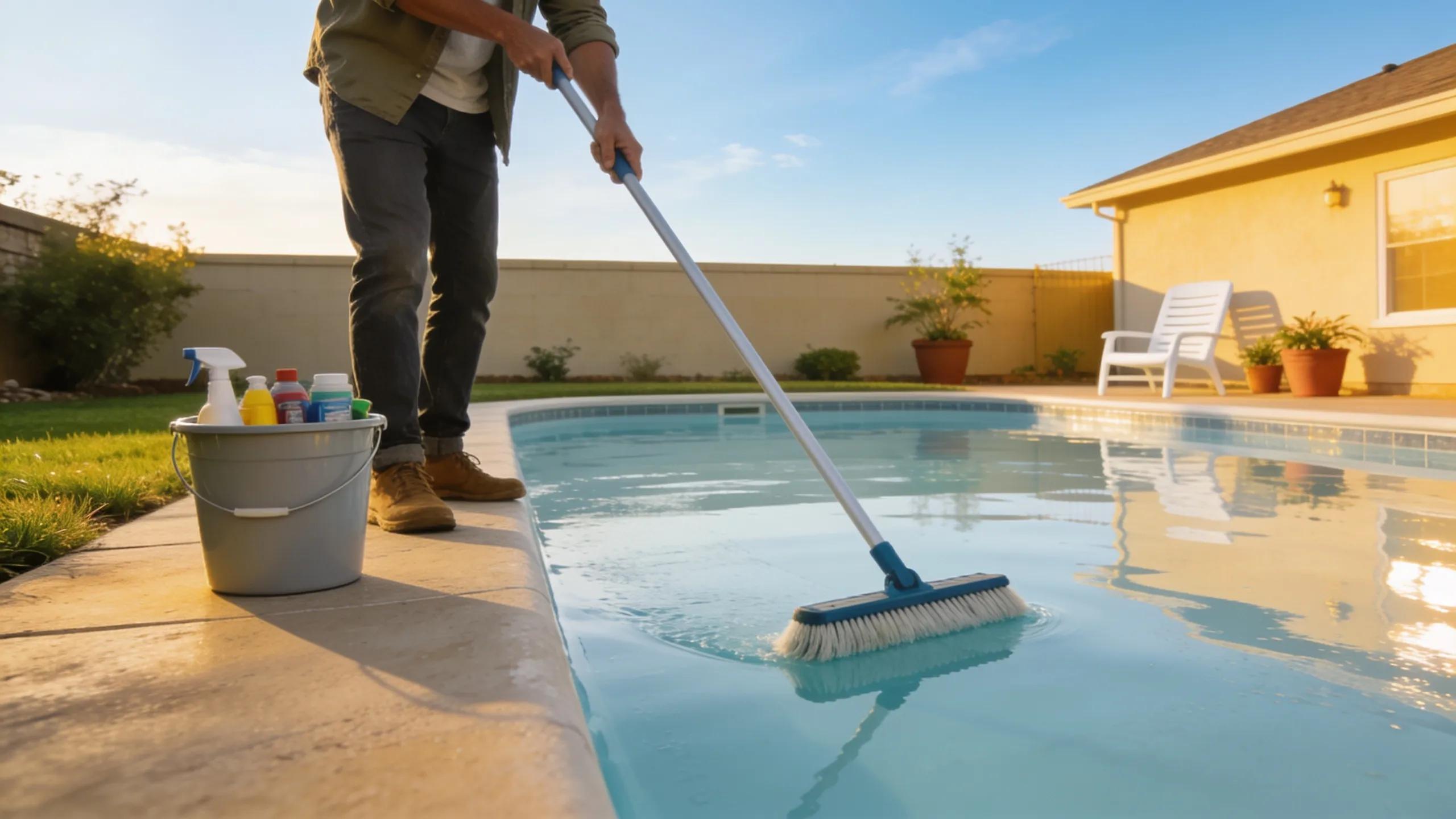
You can keep a fiberglass pool in top condition with a few simple maintenance steps:
- Routine Maintenance Tips: Regularly checking and brushing the pool surface can prevent dirt buildup and algae growth.
- Chemical Recommendations: Utilizing a balanced chemical regimen tailored to fiberglass is crucial for maintaining water quality.
- Preventive Measures: Covering the pool when not in use can help protect the surface from debris and UV damage.
Use these routines to protect your pool and enjoy it for many seasons.
How Can Homeowners Request Fiberglass Pool Refinishing From Aquatic Surfaces FL?
Ready to refinish? Contact Aquatic Surfaces to begin. Here’s how to get started:
- Contact Methods: Homeowners can call Aquatic Surfaces at 727-755-7283 to discuss their specific needs and receive tailored advice.
- Information to Provide for a Quote: When seeking a quote, it’s helpful to have details about the pool’s current condition and any specific preferences for finishes.
- Expected Timeframes for Service: Once services are scheduled, homeowners can typically expect the refinishing process to take anywhere from 1 to 2 weeks, depending on the scope of work.
Following these steps helps you move smoothly to a refreshed, long-lasting pool.
Frequently Asked Questions
1. How often should fiberglass pools be refinished?
Typically every 10 to 20 years, depending on usage and maintenance. Heavy chemical exposure, harsh weather, and less frequent cleaning can shorten that timeline. Using a cover and following recommended maintenance practices will help extend the gel coat’s life.
2. Can I refinish my fiberglass pool myself?
You can attempt DIY work, but hiring professionals is recommended. Proper refinishing needs specific tools, materials, and experience; mistakes can cause poor adhesion or premature failure. Professionals deliver more reliable, longer-lasting results and reduce the chance of costly fixes.
3. What are the signs that my fiberglass pool needs refinishing?
Watch for fading or dull colour, small cracks or chips, increased algae despite regular cleaning, or unusual water chemistry. These signs suggest an inspection is needed to confirm whether refinishing will restore the pool.
4. How does the refinishing process affect pool water chemistry?
Refinishing can temporarily change water chemistry while new materials cure. Test and balance pH and other levels frequently during the first few weeks after refinishing to maintain safe water conditions.
5. What colors and finishes are available for fiberglass pool refinishing?
You can choose many colours and finishes, from standard blues and greens to custom shades. Finishes range from glossy to textured for added grip. Consult a refinishing professional to pick the best option for your backyard and safety needs.
6. Will refinishing my pool improve energy efficiency?
Refinishing can improve efficiency indirectly. A glossy finish reflects more sunlight, which can help stabilise water temperature. Lower maintenance needs also reduce energy and resource use for cleaning and chemical adjustments over time.
7. Are there specific maintenance products recommended for fiberglass pools?
Yes. Use non-abrasive cleaners and balanced chemicals formulated for fiberglass to avoid dulling or harming the surface. Regular brushing with a soft-bristle brush and following professional guidance will help preserve the finish. Ask a pool expert for product recommendations tailored to your pool.