
Discover the Top Benefits of Fiberglass Pool Resurfacing
Top Benefits of Fiberglass Pool Resurfacing: Cost, Durability, and Restoration Insights
Fiberglass pool resurfacing has emerged as a popular choice among pool owners seeking longevity, low maintenance, and aesthetic appeal. This article unveils the top benefits of fiberglass pool resurfacing, alongside insights on cost-effectiveness and environmental considerations. Fiberglass offers a smooth, durable surface that complements the visual elegance of any backyard oasis. Many homeowners face challenges with older pool surfaces that require frequent repairs and reapplications, ultimately leading to increased costs and reduced enjoyment. This guide will explore the advantages of fiberglass, how it compares with plaster options, and the vital considerations to keep in mind regarding maintenance and repair. In the coming sections, we will cover the key benefits, durability improvements, environmental impact, costs, and essential signs for resurfacing needs.
What Are the Key Advantages of Fiberglass Pool Resurfacing?
Fiberglass pool resurfacing presents numerous benefits that make it a superior choice for pool owners looking to enhance their swimming environment. The primary advantages include:
- Cost-Effectiveness: While the initial investment may be higher, fiberglass surfaces often lead to long-term savings through reduced maintenance and repair costs.
- Durability: Fiberglass materials are known for their remarkable strength and resistance to cracks, stains, and algae growth, ensuring a longer lifespan for your pool.
- Aesthetic Appeal: With a smooth and shiny finish, fiberglass enhances the overall beauty of a pool area, providing a luxurious touch that’s easy on the eyes.
Understanding these benefits illustrates why fiberglass is frequently chosen over other materials for surfacing pools.
How Does Fiberglass Improve Pool Durability and Surface Quality?
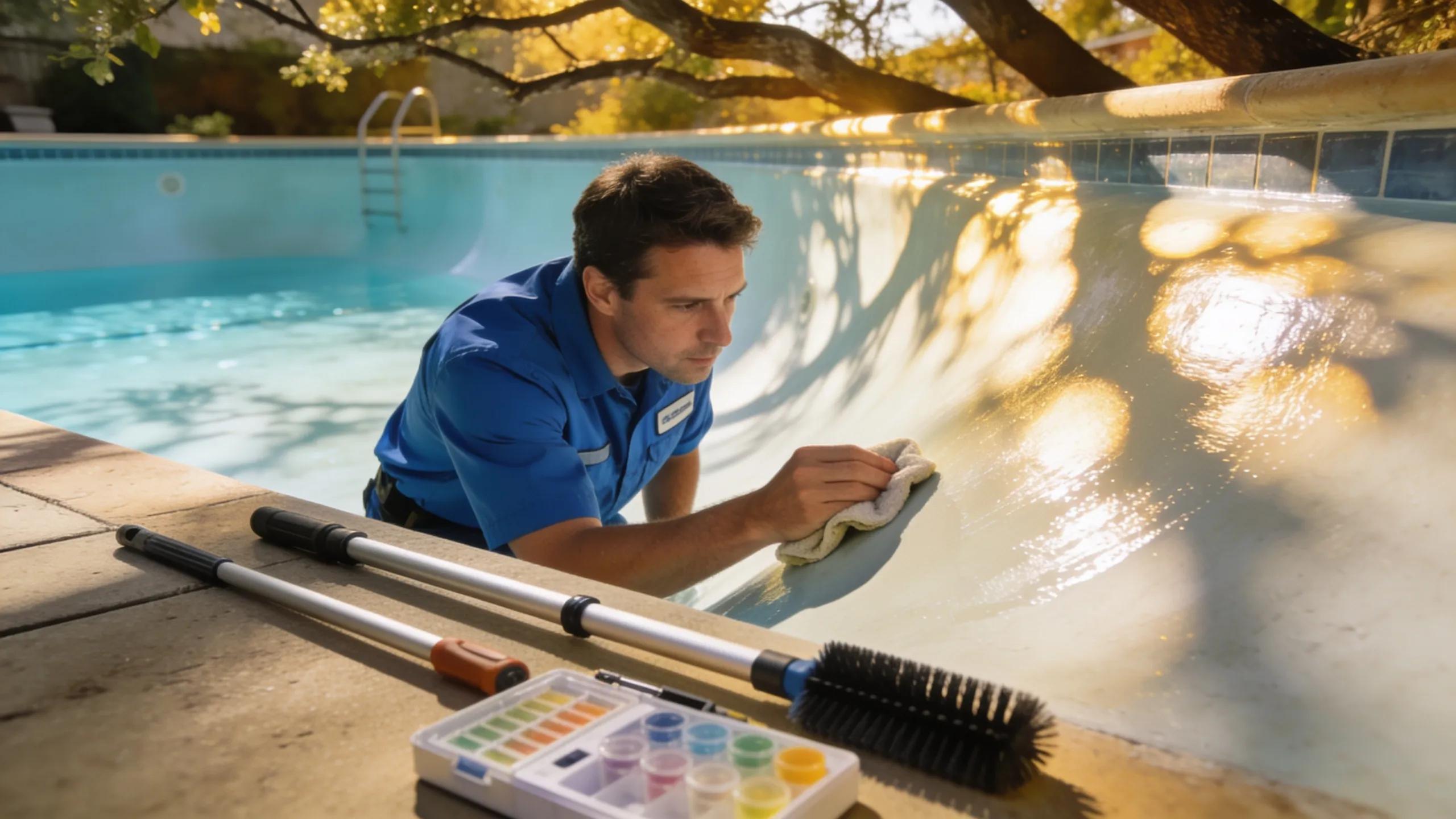
Fiberglass pools boast impressive durability thanks to their non-porous nature, which minimizes surface wear and erosion over time. This durability is critical in ensuring that the pool maintains its integrity and visual appeal. The material’s ability to resist ultraviolet degradation and chemical damage allows the pool to withstand harsh environmental conditions without deteriorating. Furthermore, the smooth surface of fiberglass reduces friction, making it less likely to harbor algae and prompting lower maintenance needs overall. Coupled with the advantages of low upkeep, fiberglass pools provide a long-lasting solution for homeowners.
The distinction between fiberglass and other monolithic pool structures, such as concrete and plaster, highlights important differences in their inherent durability and maintenance profiles.
Concrete, Plaster, and Fiberglass: A Comparative Analysis of Monolithic Pool Structures
Reviews indicate that monolithic structures, whether constructed from concrete and plaster or utilizing fiberglass, exhibit distinct characteristics. … Comparative Analysis of Material Biocompatibility in Small-Scale Aquatic Environments: Galvanized Steel/Vinyl Liner Systems vs. Monolithic Concrete and Fiberglass …, M Kustovskyi, 2025
What Environmental Benefits Does Fiberglass Pool Resurfacing Offer?
The environmental advantages of fiberglass pool resurfacing cannot be overlooked. Notably, fiberglass pools require fewer chemicals for maintenance compared to traditional plaster pools, leading to reduced chemical usage. This reduction not only lessens the environmental impact but also conserves water by minimizing the need for frequent draining and refilling. Additionally, fiberglass surfaces can help maintain a consistent water temperature, reducing heating costs and energy consumption over time.
How Does Fiberglass Pool Resurfacing Compare to Plaster?
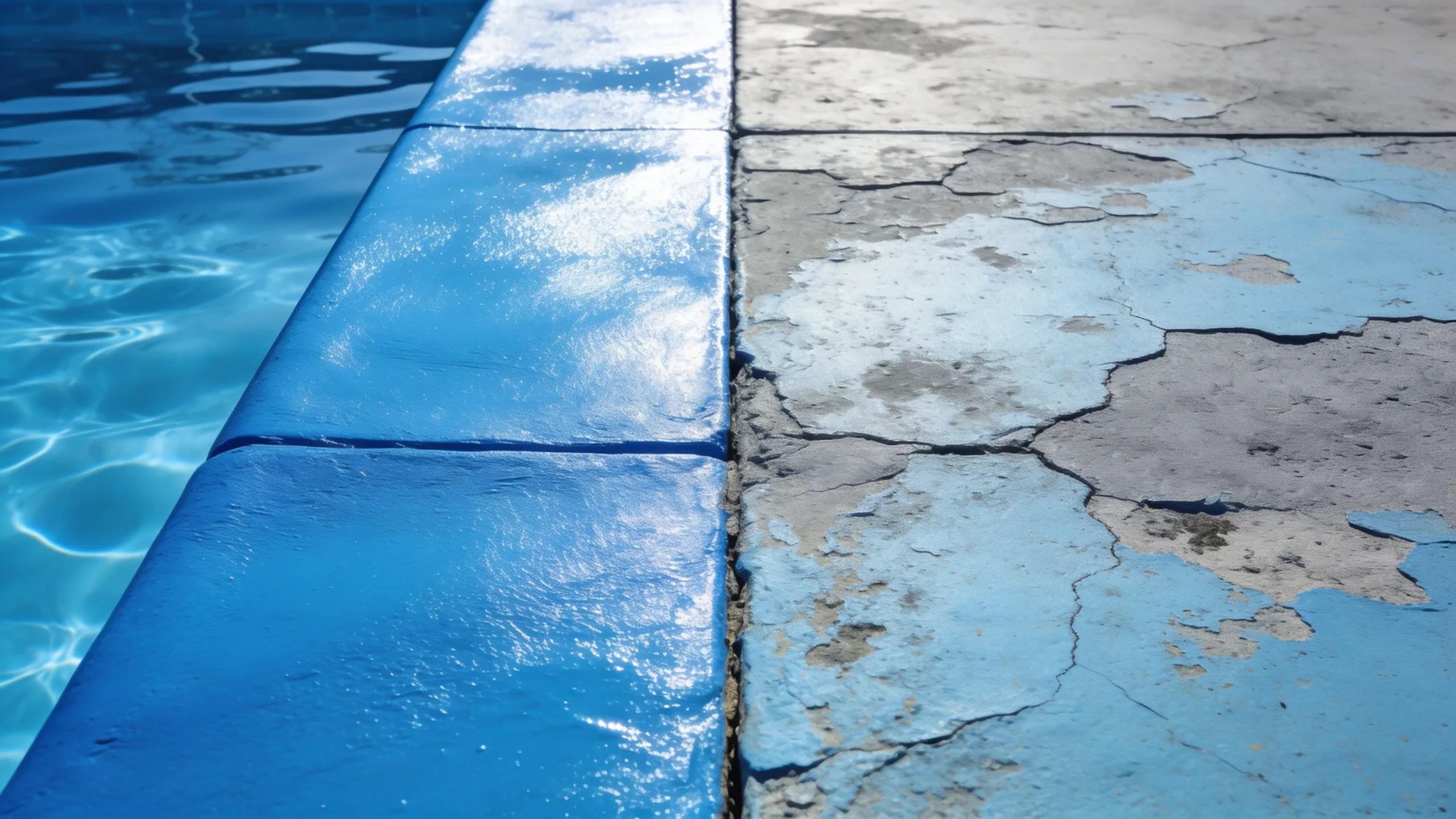
When considering materials for pool resurfacing, fiberglass and plaster present distinct differences that can influence a homeowner’s decision. Fiberglass surfaces generally have a longer lifespan than plaster, which can deteriorate and require more frequent repairs. Plaster surfaces tend to absorb water, promoting the development of algae and necessitating regular cleaning. Conversely, fiberglass is inherently non-porous, allowing for easy maintenance and a cleaner swimming experience. The cost of fiberglass resurfacing may be higher initially, but the investment yields enduring value in terms of longevity, reduced maintenance costs, and enhanced aesthetics.
What Are the Cost Differences Between Fiberglass and Plaster Resurfacing?
When weighing resurfacing options, understanding the financial implications is crucial. The typical cost of resurfacing a pool with fiberglass varies significantly, often ranging from $5,000 to $15,000, depending on the pool size and complexity. In comparison, plaster resurfacing can range from $2,500 to $10,000. Despite the higher upfront costs associated with fiberglass, many homeowners find that the longevity and lower maintenance expenses associated with fiberglass make it a cost-effective option over time. Homeowners should consider getting a free quote from professionals to better assess the financial commitment required for pool resurfacing.
Why Is Fiberglass Preferred Over Plaster for Pool Surface Longevity?
Longevity is a paramount concern for pool owners. Fiberglass not only lasts longer than plaster, typically exceeding 20-25 years without significant repairs, but it also reflects greater resistance to cracking and surface damage. The smoothness of fiberglass further contributes to its longevity, making it less prone to surface wear that can affect material longevity. Many users appreciate that with minimal upkeep, fiberglass pools can effortlessly retain their beauty and functionality, outshining plaster alternatives.
When and How Should You Repair a Fiberglass Pool Surface?
Understanding when and how to address repairs in fiberglass pools is essential for maintaining their value. Repairing fiberglass surfaces generally involves assessing any visible damage such as chips or cracks, which can occur over time. If damage is noticed, it is advisable to address it promptly to prevent further deterioration. Repairs can often be performed using specialized kits, which allow for minor fixes without the need to resurface the entire pool. For significant damage, it may be necessary to consult professionals who can ensure repairs are made correctly and restore the pool’s appearance effectively.
What Are the Common Signs Indicating Fiberglass Pool Surface Repair Is Needed?
To keep your pool in optimal condition, homeowners should be aware of key indicators that surface repairs may be necessary:
- Visible Cracks or Chips: Any cracks or chips in the surface should be addressed immediately to avoid further damage.
- Discoloration or Staining: Changes in color or the presence of stains may indicate that the surface is no longer providing effective protection against algae and bacteria.
- Increased Maintenance Needs: A sudden rise in the frequency of cleaning and chemical treatments can signal that the pool surface is deteriorating.
Being proactive about these signs can help maintain the pool’s integrity and prolong its lifespan.
What Factors Influence the Cost of Fiberglass Pool Resurfacing?
Several factors can influence the overall cost of fiberglass pool resurfacing. These include:
- Pool Size and Shape: Larger and more complex pools typically incur higher costs due to the increased material and labor requirements.
- Condition of the Existing Surface: If significant damage exists, it may necessitate additional repairs that can increase the overall cost.
- Location and Accessibility: Regional pricing variances and the ease of accessing the pool for resurfacing can affect labor costs.
Homeowners should consult with professionals to receive accurate estimates and understand potential hidden costs.
How Do Financing Options Affect Fiberglass Pool Resurfacing Affordability?
Financing plays a critical role in the affordability of fiberglass pool resurfacing. Many homeowners opt for financing plans that allow them to spread costs over time, making it feasible to invest in high-quality resurfacing options. Various financial institutions or specialized providers may offer tailored plans that cater to the unique needs of homeowners, enabling them to budget effectively while maintaining their pool.
What Cost Transparency Should Homeowners Expect When Choosing Fiberglass Resurfacing?
When opting for fiberglass resurfacing, homeowners should expect transparency regarding cost estimates. Typical quoting practices include providing detailed breakdowns of labor, materials, and any potential additional expenses. Ensuring clarity in quotes allows homeowners to make informed decisions and budget accordingly, reducing the likelihood of unexpected expenses later. Engaging with reputable surfaces providers that emphasize transparent practices will lead to a smoother resurfacing experience.