
Fiberglass Pool Resurfacing Maintenance Tips for Homeowners
Fiberglass Pool Resurfacing Maintenance Tips for Homeowners: Expert Care and Longevity Advice
By Aquatic Surfaces Team, Aquatic Surfaces FL
Keeping a fiberglass pool in good order lengthens its life and keeps it performing well. Many homeowners miss small but important maintenance tasks that cause bigger problems later. This guide outlines key resurfacing and upkeep tips, how local conditions affect your pool, and warning signs that resurfacing may be needed. Follow these steps to protect your investment and enjoy a cleaner, safer pool.
Key Takeaways
- Fiberglass pool resurfacing renews the surface, enhancing appearance and extending pool lifespan significantly.
- Regular maintenance prevents deterioration, costly repairs, and promotes safe, enjoyable swimming conditions.
- Environmental factors in Tampa Bay, like humidity and sun exposure, accelerate fiberglass pool surface wear.
- Homeowners should resurface pools every 7 to 12 years and perform weekly cleaning and chemical balancing.
- Signs for resurfacing include rough patches, persistent stains, and frequent algae growth despite maintenance.
- Proper cleaning tools and maintaining pH levels between 7.4 and 7.6 protect the fiberglass surface effectively.
- Seasonal care, including winterization and summer brushing, helps prevent surface damage and algae buildup.
- Common surface issues like rough texture and stains require professional treatment for optimal results.
- Hiring local experts ensures tailored fiberglass pool resurfacing that addresses Tampa Bay’s unique environmental challenges.
What Is Fiberglass Pool Resurfacing and Why Is Maintenance Essential?
Resurfacing restores the pool’s smooth finish and appearance. Routine maintenance prevents surface breakdown, avoids costly repairs, and keeps swimming comfortable and safe. Understanding basic fiberglass care saves money and preserves your pool’s look and function over time.
How Does Fiberglass Pool Resurfacing Protect and Extend Pool Lifespan?
A fresh surface is easier to clean, more comfortable to swim against, and more resistant to algae and chemical wear. Investing in resurfacing and steady maintenance reduces ongoing issues and gives you a more durable pool with fewer interruptions for repairs.
Which Local Environmental Factors Affect Fiberglass Pool Surfaces in Tampa Bay?
Tampa Bay’s high humidity, strong sun and periodic heavy rain all speed surface wear. Heat and UV exposure can fade and weaken the finish, while rain can shift pH and stress the surface. Adjust maintenance to counter these local effects.
How Often Should Homeowners Resurface and Maintain Fiberglass Pool Surfaces?
Expect to resurface every 7 to 12 years, depending on use and exposure. Perform weekly upkeep—cleaning, skimming and chemical balancing—to prevent premature wear. Using the right cleaners and tools during routine care helps preserve the finish.
For professional assistance with resurfacing, Aquatic Surfaces specializes in fiberglass pool maintenance solutions. They can provide tailored advice based on specific pool conditions and needs.
What Are the Signs Your Fiberglass Pool Needs Resurfacing?
Signs that indicate a fiberglass pool may require resurfacing include:
- Rough Patches: A rough surface can lead to discomfort while swimming and may harbor algae.
- Persistent Stains: Stains that do not respond to conventional cleaning methods suggest deeper issues within the pool surface.
- Algae Growth Indicators: Frequent algae blooms, despite regular chemical balancing, could indicate surface deterioration.
Address these issues early to keep your pool safe, comfortable and visually appealing.
How Long Does Fiberglass Pool Resurfacing Typically Last With Proper Care?
With consistent care, a resurfaced fiberglass pool usually lasts 7 to 12 years. Longevity depends on material quality, local conditions and how well you maintain chemical balance and cleaning routines.
What Are the Best Fiberglass Pool Maintenance Tips After Resurfacing?
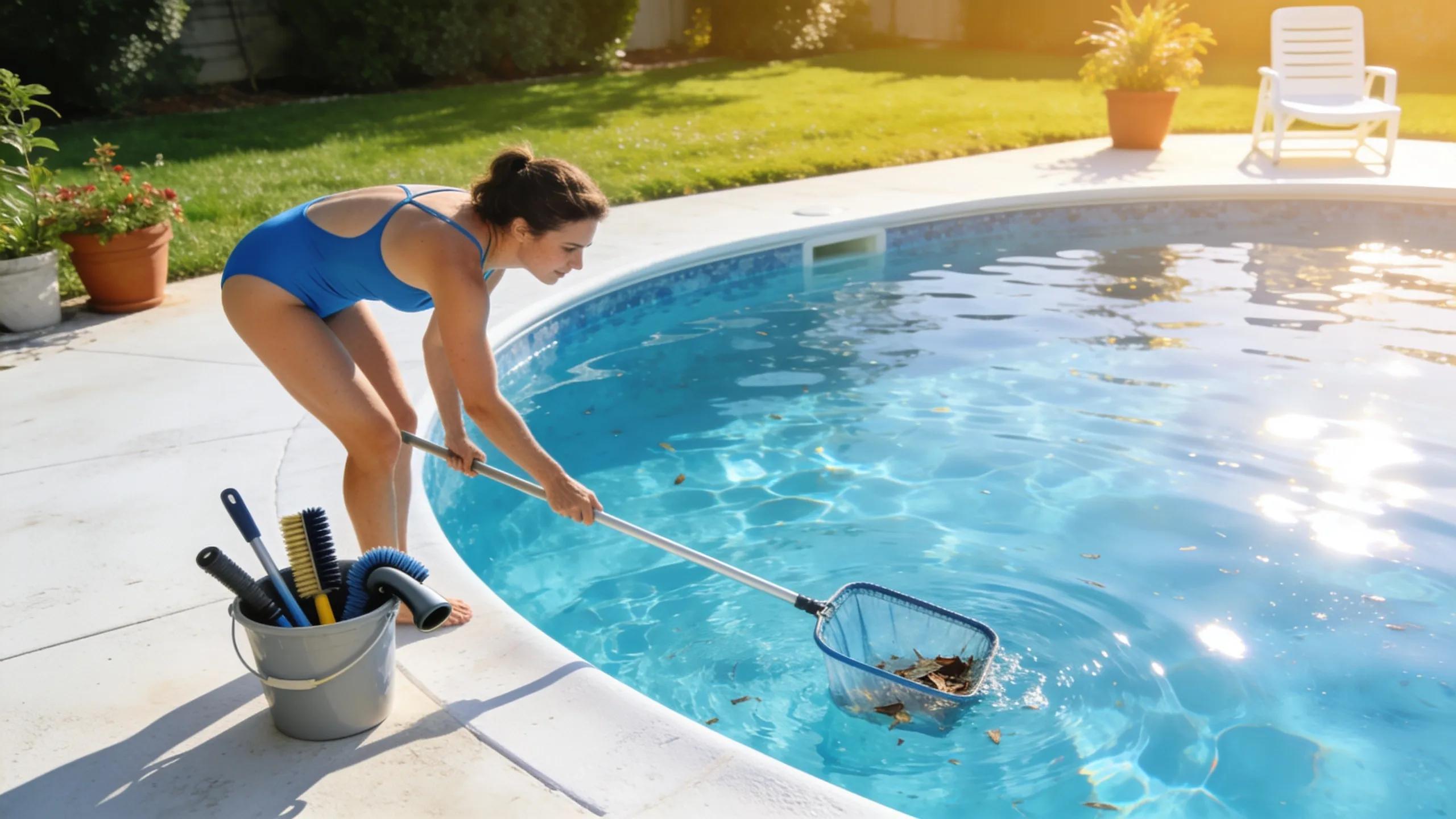
After resurfacing, follow a few simple habits to protect the finish and performance of your pool:
- Regular Cleaning: Frequently remove debris and dirt from the pool surface.
- Chemical Balancing: Maintain proper pH levels and chemical balance to protect the surface from degradation.
- Routine Inspections: Conduct regular inspections for signs of wear or damage to ensure timely repairs.
These steps help you get the most life and enjoyment from your resurfaced pool.
How to Clean and Balance Chemicals for Your Fiberglass Pool Finish
Keep water and surfaces balanced and clean to protect the finish. Follow these practical measures:
- Using appropriate cleaning tools to avoid scratching.
- Regularly checking and adjusting pH levels, ideally between 7.4 and 7.6.
- Employing specialized pool chemicals that are safe for fiberglass surfaces.
Stick to these routines to reduce damage and maintain a clear, smooth finish.
What Seasonal Care Practices Help Prevent Fiberglass Pool Surface Damage?
Seasonal checks prevent avoidable surface problems. Key actions include:
- Winterization: Preparing your pool for winter months involves ensuring it is clean, chemicals balanced, and the water level adjusted to prevent freeze damage.
- Summer Maintenance: Regularly brush the surface and check chemical levels to combat algae growth during warmer months.
- Chemical Adjustments: Make necessary adjustments based on seasonal changes, particularly after heavy rainfall or temperature fluctuations.
Regular seasonal upkeep reduces stress on the surface and limits algae and staining.
How Can Homeowners Troubleshoot Common Fiberglass Pool Surface Issues?
Homeowners can handle many surface problems with the right checks and prompt action, reducing the need for major repairs.
What Are Frequent Fiberglass Pool Resurfacing Problems and Their Solutions?
Common problems encountered include:
- Rough Texture: If the surface feels coarse, consider lightly sanding it or consulting a professional for resurfacing.
- Stain Issues: Persistent stains may require specialized stain removal treatments, as some can penetrate deeper layers.
- Algae Problems: When algae blooms occur, intensify filtration and consider using algaecides designed for fiberglass surfaces.
Can Pool Owners Resurface Fiberglass Pools Themselves Safely and Effectively?
DIY resurfacing can be risky; improper resin application or inexperience often leads to poor results. Hiring professionals ensures a lasting finish and fewer callbacks. Aquatic Surfaces provides expert resurfacing tailored to each pool.
How to Request a Free Quote for Professional Fiberglass Pool Resurfacing in Tampa Bay?
When requesting a quote, share a few key details so estimates are accurate:
- Pool size and dimensions.
- Current surface conditions and any visible damage.
- Additional features that may impact your pool’s resurfacing needs.
Aquatic Surfaces can prepare a customised quote based on these details and help plan the right resurfacing approach.
What Details Do Aquatic Surfaces FL Require for an Accurate Resurfacing Estimate?
For an accurate estimate, Aquatic Surfaces requests details such as:
- The dimensions of your pool.
- Any issues with the current surface.
- Desired finishes and enhancements to personalize your experience.
Why Choose a Specialized Local Fiberglass Pool Resurfacing Expert?
Choosing a local specialist delivers practical benefits tailored to your area’s conditions:
- Expertise: Local professionals understand the specific environmental considerations impacting pools in the Tampa Bay area.
- Community Reputation: They are committed to maintaining a positive relationship with homeowners by delivering high-quality services.
- Accessibility: Local businesses provide easier access for site visits and consultations, ensuring that customer needs are met promptly.
Working with Aquatic Surfaces gives you locally informed service that addresses Tampa Bay’s particular challenges.
Frequently Asked Questions
1. What should I do if I notice rough patches on my fiberglass pool?
Clean the area and inspect it closely. If roughness remains, consult a professional to determine whether a repair or full resurfacing is needed to restore comfort and prevent algae buildup.
2. Are there specific cleaning products safe for fiberglass pools?
Yes. Use cleaners labelled safe for fiberglass and avoid abrasive tools. These products protect the finish while keeping the surface bright and scratch-free.
3. How can environmental factors impact my fiberglass pool?
Humidity encourages algae, strong sun fades and weakens finishes, and heavy rain can shift water chemistry. Adjust cleaning and chemical routines to counter these effects and protect the surface.
4. What seasonal tasks should I prioritize for fiberglass pool maintenance?
Prioritise winter preparation—cleaning, balancing chemicals and adjusting water level—and during summer, focus on regular brushing, filtration and chemical checks to prevent algae.
5. What are some common mistakes to avoid during fiberglass pool maintenance?
Avoid skipping regular cleaning and chemical checks, using harsh tools, or ignoring early signs of wear. Prompt action and gentle care prevent bigger, costlier repairs later.
6. How can I effectively manage algae growth in my fiberglass pool?
Keep filtration running several hours a day, maintain chemical balance, brush surfaces regularly and use algaecides formulated for fiberglass if blooms recur.
7. How can I find a reliable professional for fiberglass pool resurfacing?
Ask for local referrals, read online reviews and check credentials. Choose companies experienced with fiberglass pools and compare quotes to find the best fit for your needs.