
Fixing Fiberglass Pool Stains and Fading in Tampa Bay
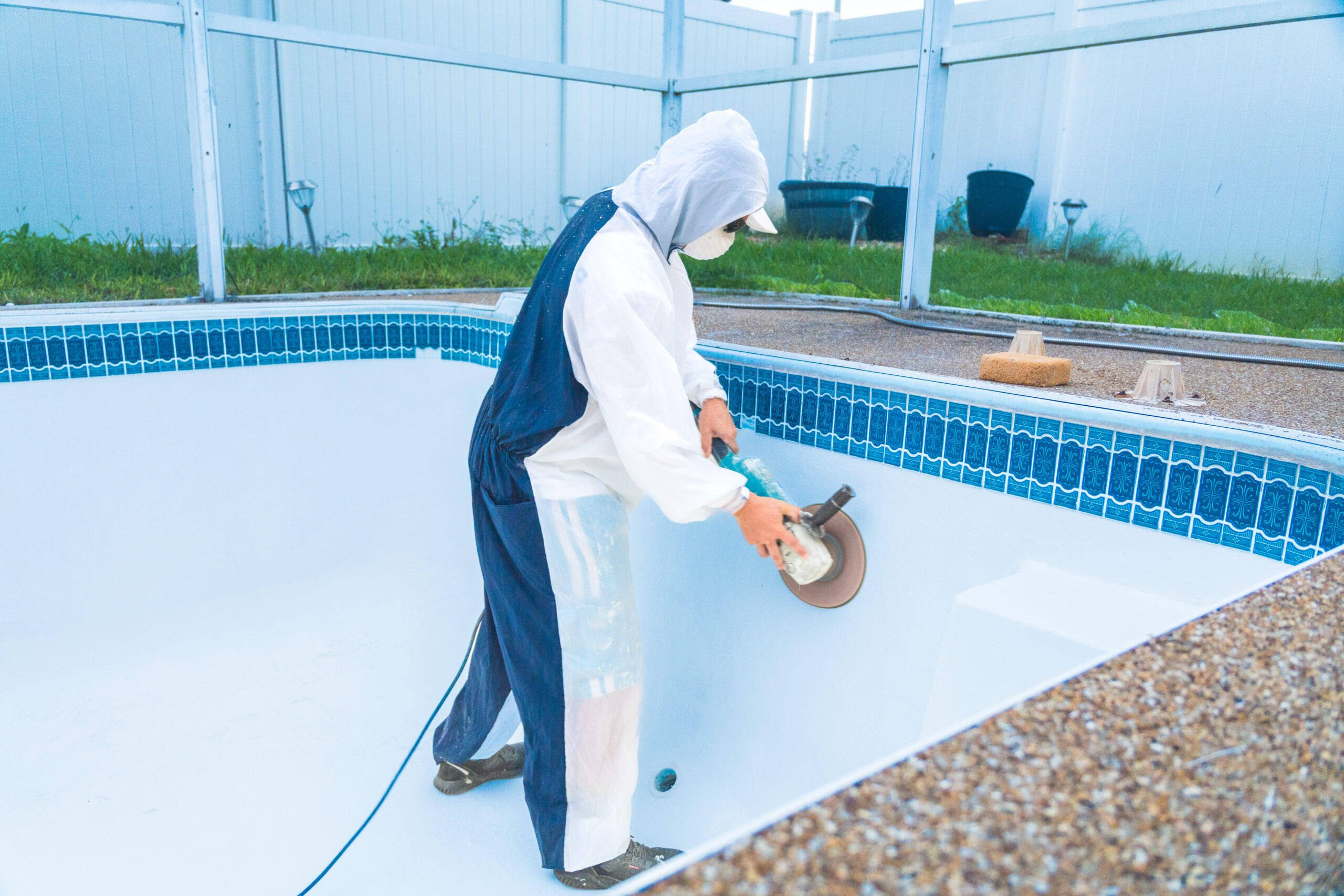
Living in Tampa Bay, we know how fiberglass pool stains and fading happen. The intense sun, chemical imbalances, and normal wear break down that once-bright finish. At Aquatic Surfaces, we fix this with hand-laid fiberglass resurfacing and protective top coats that keep your pool looking fresh longer. This non-porous finish stops stains in their tracks, prevents algae growth, and shields against chemical damage, giving your pool a refreshed look and reducing time spent on upkeep.
Key Takeaways
- Sunlight and tough pool chemistry wear down unprotected fiberglass gel coats.
- Metals in water and chemical imbalances cause common pool stains.
- When the gel coat wears away, the fiberglass underneath absorbs water, leading to blisters and weakness.
- Hand-laid resurfacing with protective coatings prevents discoloration, yellowing, and algae buildup.
Why do fiberglass pools discolor in Tampa Bay?
Our Tampa Bay sun is relentless. Intense UV rays, combined with harsh pool chemistry and year-round use, break down the gel coat protecting your pool. Once that surface wears thin, colors fade unevenly, and stubborn stains show up.
What causes pool stains on a fiberglass surface?
Most stains come from metal ions found in the fill water or imbalanced pool chemicals. Copper from algaecides or corroded heaters leaves blue-green patches, while iron from well water causes rusty brown spots. These usually stay on the gel coat’s surface, but if the gel coat is porous or damaged, stains can soak in and become tough to remove. Hard water, common here, speeds things up by causing calcium and magnesium scale to bond with the surface, trapping dirt and metals.
Why does fiberglass pool fading happen so fast in Tampa Bay?
The sun here is intense, speeding up fiberglass pool fading. UV rays break down the gel coat resin, bleaching colors and leaving a chalky white haze. This isn’t just cosmetic; once the gel coat degrades, water can get underneath, causing blisters and weakening the structure over time.
How does fiberglass pool resurfacing fix discoloration?
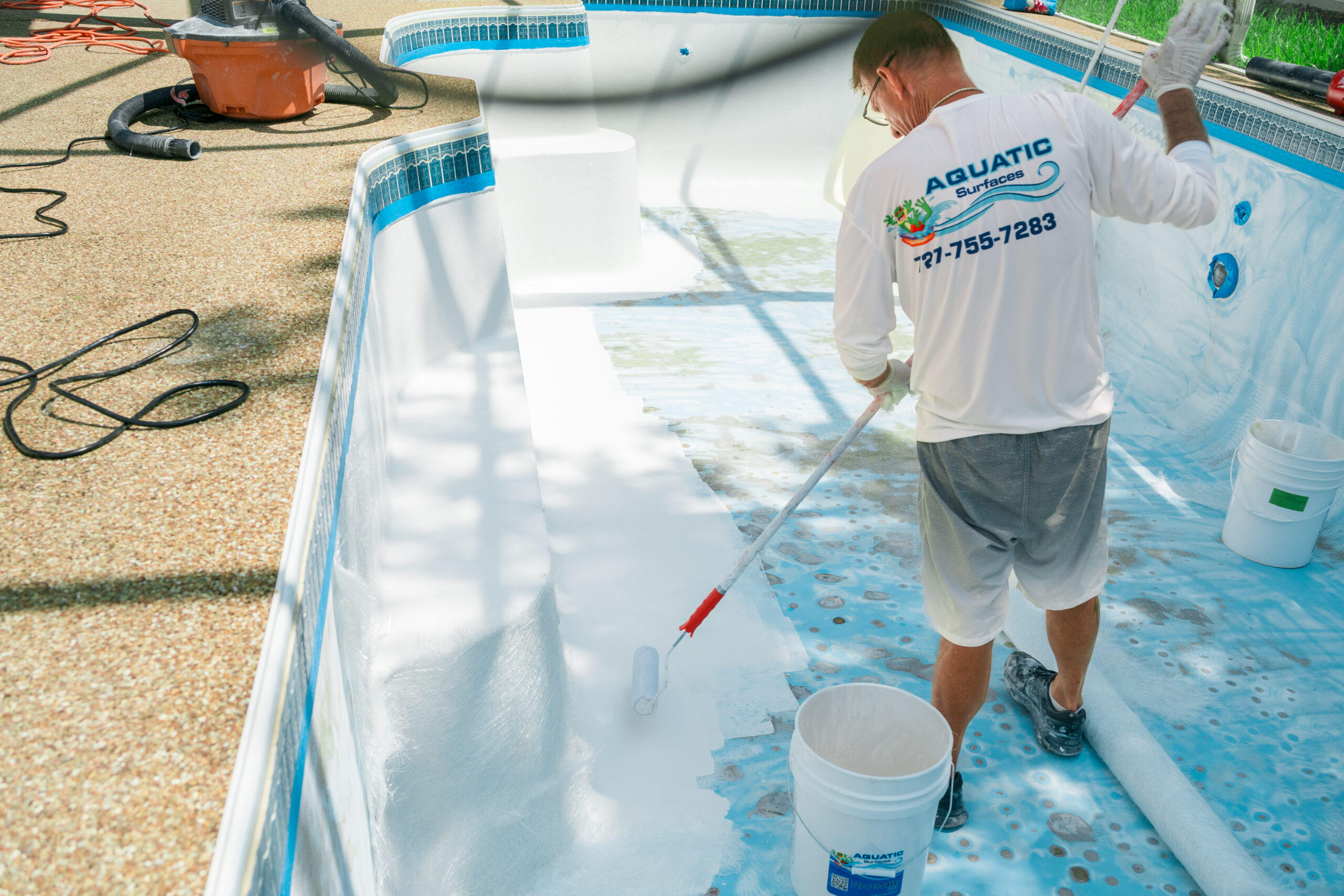
With fiberglass pool resurfacing, we replace that worn-out gel coat with a smooth, sealed finish that resists stains, algae, and chemical wear much better. Aquatic Surfaces uses hand-laid resins and protective top coats to extend your pool’s lifespan, cut down the hassle of maintenance, and bring back a smooth, vibrant surface. This treatment transforms rough, faded pools into durable, like-new features. If you’re a homeowner in the area considering this, fiberglass pool resurfacing turns your tired pool into a low-maintenance centerpiece. For those in Pinellas County looking for pool resurfacing, trusted professionals can handle the job efficiently, so your pool stays brilliant through many sunny seasons.
How can you tell a stain from gelcoat damage?
Identifying whether you’re dealing with a surface stain or gelcoat damage is key. Stains affect the top layer, while gelcoat damage goes deeper. Knowing the difference saves you hassle. Treating a stain like structural damage leads to unnecessary work, while ignoring real gelcoat problems lets water harm the fiberglass below.
What does a surface stain feel like versus gelcoat failure?
Run your hand along the spot. A stain feels smooth and may show as yellowing, waterline scum, or small spots. Gelcoat damage feels rough—chalking leaves powdery residue on your fingers, cracks create visible fissures you can feel, and blisters form raised bumps indicating peeling layers. If your pool is chalky, cracked, or peeling, it’s time to consider professional resurfacing to bring back beauty and durability.
Can you remove the mark with mild cleaning?
Try a pH-neutral pool surface cleaner on a small hidden area. Metal, leaf, or algae stains often lift with gentle scrubbing. If stains come off with cleaning, they’re mostly cosmetic. Persistent stains after a couple of attempts hint at deeper issues. Cobalt spotting, for example, common around here, often won’t budge with surface cleaning because it’s sunk into the gel coat.
When does fading signal a structural problem?
Uniform fading from UV exposure is mostly a cosmetic issue at first—it changes how your pool looks but doesn’t mean water can get in. But blotchy, rough patches mean the gel coat is thinning unevenly, possibly allowing water to penetrate. Resurfacing gives you a sealed finish that blocks stains, algae, and chemical damage. For backyard pools in Pinellas County, professionals can assess whether resurfacing is necessary and help keep the new finish in great shape with proper maintenance tips.
What safe treatments work for minor pool stains?
If you spot minor stains, you might manage with some careful cleaning before thinking about resurfacing. Surface discoloration from leaves, metals, or algae often lifts with the right approach, but deeper chemical wear or fading should get a pro’s eye.
What causes most surface stains on fiberglass pools?
Organic debris and metal deposits cause the bulk of pool stains here. Leaves release tannins if left at the bottom too long, copper creates blue-green spots, and iron brings rusty browns. Knowing the source helps pick the right treatment.
Try these steps for safe stain removal:
- Test a small, hidden spot first to watch for any dulling.
- Rub a vitamin C tablet on a dark stain—if it lightens fast, metals are behind it.
- Use a chlorine-free stain remover made for fiberglass. Ascorbic acid treatments work well on metal stains without bleaching your pool’s surface.
- Gently scrub with a soft nylon brush. Avoid abrasive pads that scratch the finish and create spots for algae to stick.
- Balance your pool’s water chemistry right after. If left unbalanced, metals can stain again quickly.
When does a stain signal deeper damage?
If stains return soon after treatment, the surface might be compromised. A rough or wearing finish not only looks bad but can also make swimming uncomfortable and speed up pool shell damage, including leaks or structural problems. When spotting stubborn stains in Tampa Bay, Aquatic Surfaces can apply hand-laid resins and top coats that bring your pool back to a durable, refreshed surface. If you’re looking for pool resurfacing in Pinellas County, experts can tell if spot treatments will still help or if a full resurfacing is the better move.
When should you consider fiberglass pool resurfacing?
When your pool surface shows clear signs of wear that affect both look and function, resurfacing becomes necessary. An exposed pool shell invites water damage and leaks, which cause more hassles and trouble down the road. Look for these warning signs:
- Pool stains that just won’t come off with regular cleaning and chemical adjustments
- Widespread stains, especially rust-colored or organic ones across floors or walls
- Chalky, dull fading from sun exposure
- Cracks, peeling, or blisters anywhere on the shell
- Rough textures that annoy your skin or snag swimsuits
When your pool’s surface breaks down, it’s not just about looks. The shell becomes vulnerable to water intrusion, leading to leaks and structural issues. Resurfacing stops the problem from getting worse, easing your upkeep efforts.
What do stains say about your pool’s condition?
Stains that stick around after brushing and adjusting pool chemicals show the gel coat has deteriorated. The surface becomes porous and absorbs contaminants instead of repelling them. At this point, just cleaning won’t cut it—the finish itself needs attention.
How does fiberglass pool fading differ from normal wear?
Normal wear might slowly dull a pool’s color over lots of years. Sun damage typical in our area creates patchy, chalky spots where the finish feels rough and uneven, signaling the protective surface has broken down. Without action, the underlying fiberglass starts to degrade.
Fiberglass pool resurfacing here replaces that failing layer with a sealed, smooth finish that guards against stains, algae, and chemical wear. If you’re seeking low-maintenance pool resurfacing in Pinellas County, professionals use hand-laid resins and top coats that restore your pool’s beauty and durability, eliminating rough, stained, cracked, or faded surfaces that require constant work.
How does hand-laid resurfacing prevent future stains?
Hand-laid fiberglass resurfacing forms a tight, non-porous barrier that keeps stains from taking hold. Unlike worn surfaces, this finish blocks algae and chemical damage at the surface level, so your pool stays cleaner with less effort.
The magic lies in how these materials cure and bond. Aquatic Surfaces applies hand-laid resins and protective top coats that seal the entire shell, locking out the contaminants that cause staining on older finishes.
What makes the non-porous surface different?
Fiberglass gel coats form a hard shell that’s impermeable, unlike porous materials that soak up water, chemicals, and debris. Stains sit on top and can easily be brushed away rather than soaking in.
How do the protective top coats block UV damage?
Sun damage happens when UV rays break down unprotected resin. The top coats used during resurfacing contain UV inhibitors that reflect and absorb harmful rays, keeping colors true and preventing chalking or yellowing. Your Tampa Bay pool stays vibrant despite year-round sun exposure.
Hand-laid resins, fiberglass mat for strength, and UV-resistant top coats all work together in this system. For Pinellas County homeowners, this layered approach means fewer headaches and a pool surface that lasts season after season.
FAQ
Can I use a pressure washer on fiberglass?
Pressure washers can be risky because too much force might damage the gel coat. It’s best to use gentle cleaners and soft brushes or leave pressure washing to professionals who know how to adjust the pressure safely.
Will a stain come back after resurfacing if water chemistry is off?
Yes, if pool chemistry isn’t balanced, staining can return even on a newly resurfaced pool. Keeping water balanced is key to maintaining that fresh surface and preventing new stains.
How do I know if it’s a stain or gelcoat damage?
Surface stains feel smooth and usually respond to cleaning, while gelcoat damage feels rough—chalky, cracked, or blistered—and won’t go away with scrubbing. If in doubt, get a professional assessment to avoid unnecessary repairs or missed issues.
Conclusion
Persistent stains and fading in Tampa Bay pools mean the gel coat is past its prime—not something scrubbing or chemicals alone can fix. A hand-laid fiberglass resurfacing system replaces that worn, porous finish with a sealed surface that resists stains, algae, and chemical wear. This break in the cycle restores a durable, like-new surface that makes pool maintenance simpler and keeps your backyard looking great season after season.